



-
 View More
SAVVY VALVES CO., LTD. (formerly Hebei Menghong Trading Co., Ltd. ) is a leading manufacturer of high-performance industrial valves, with a strong focus on marine and critical infrastructure applications. Their Marine U Section Double Flange Butterfly Valve is engineered to meet the rigorous demands of harsh environments, combining precision engineering with durable materials. This article provide
-
 View More
When it comes to efficient and reliable flow control in various industries, the butterfly valve stands out as a versatile and cost-effective solution. Known for their compact design, quick operation, and excellent sealing capabilities, butterfly valve s are integral components in countless fluid handling systems. Whether you're looking for information on what a butterfly valve used for , seeking b
-
 View More
SAVVY 42″ 600lb Flexible Wedge Gate Valve is a key solution in the heavy industry industry, specifically within Process industry equipment and Valves. This article explores how SAVVY VALVES CO.,LTD. supports professionals with durable, high-performance products, and explains why this product is an ideal choice for businesses in these sectors. Table of Contents SAVVY 42″ 600lb Flexible Wedge Gate V
-
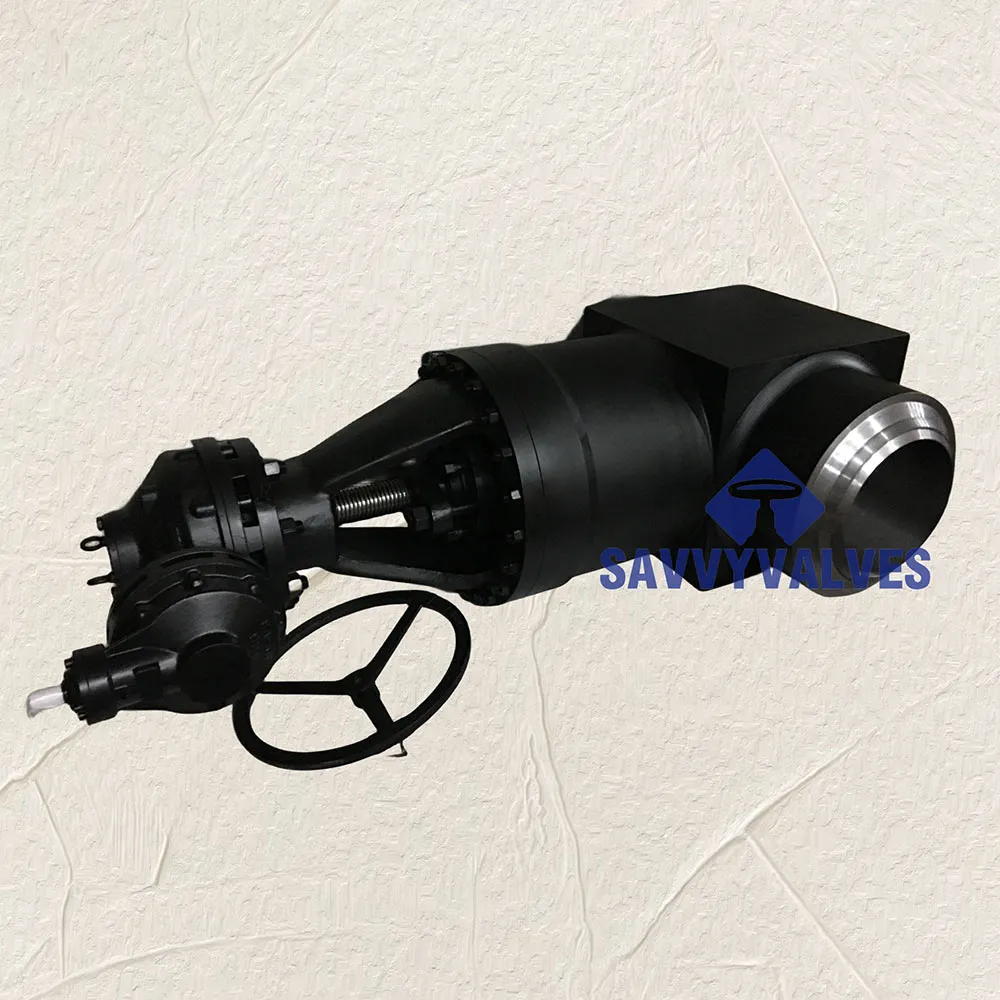
In industrial pipeline systems, proper installation of swing check non return valve , swing check type non return valve , and vertical swing check valve is crucial to ensure their functionality, prevent leaks, and avoid safety hazards. SAVVY VALVES CO.,LTD. provides high-quality vertical swing check valves with a wide range of material options, and understanding the safety precautions during insta
-

Epdm Rubber Lined Diaphragm Valve has become a pivotal flow control solution for industries requiring reliable, corrosion-resistant, and low-maintenance valve technology. With growing demands across petrochemical, metallurgy, water treatment, and food processing sectors, these valves exemplify the fusion of advanced materials, precise manufacturing processes, and strict quality standards. In this
-

Introduction to Trunnion Ball Valves The 3 piece trunnion ball valve represents a significant advancement in flow control technology for demanding industrial applications. Unlike standard ball valves, trunnion mounted ball valves feature mechanical anchoring at both the top and bottom of the ball, providing enhanced stability and sealing capabilities under extreme pressure conditions. This design
-
 Premium-Quality Choke Valves2026-04-02 12:29When it comes to regulating the flow and pressure of high-pressure fluids in oil and gas operations,
 -
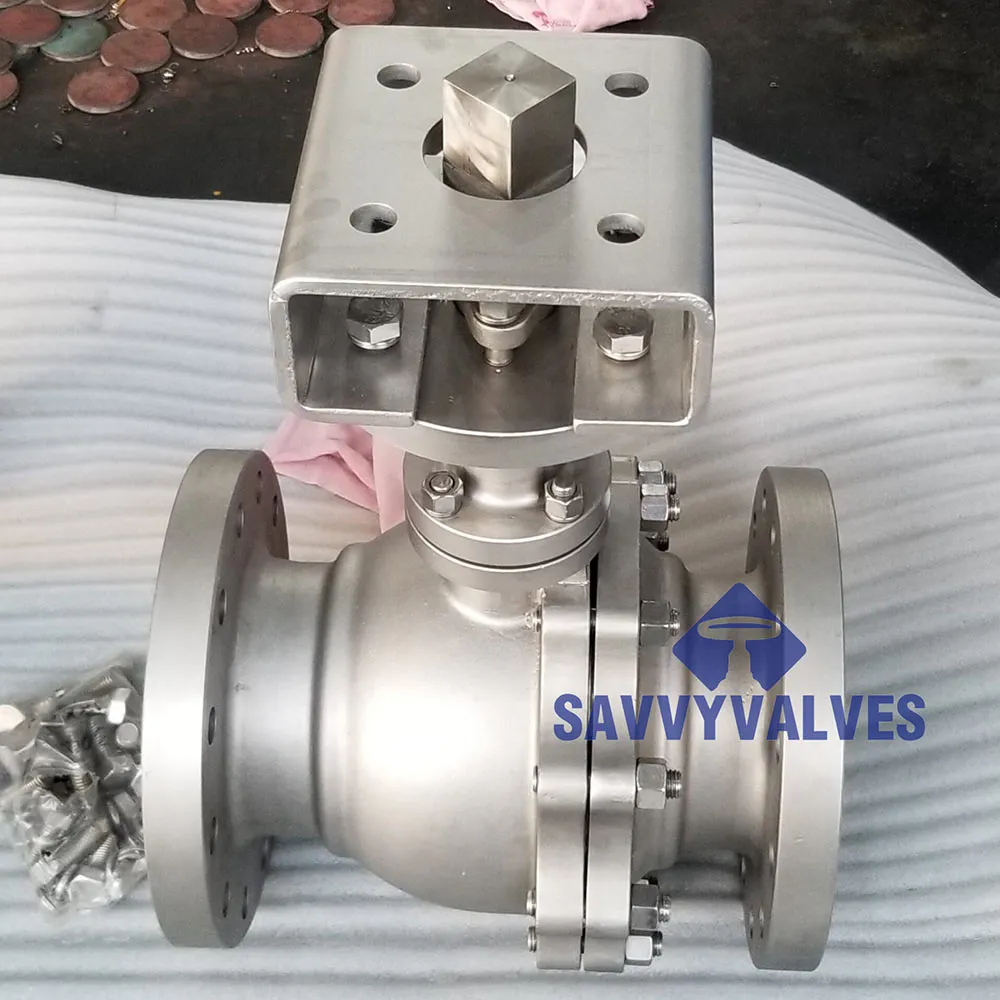 Ball valve flange face surface finish2026-04-02 12:10Ball valve flange face surface finish is a critical yet often overlooked factor in ensuring leak-tig
 -
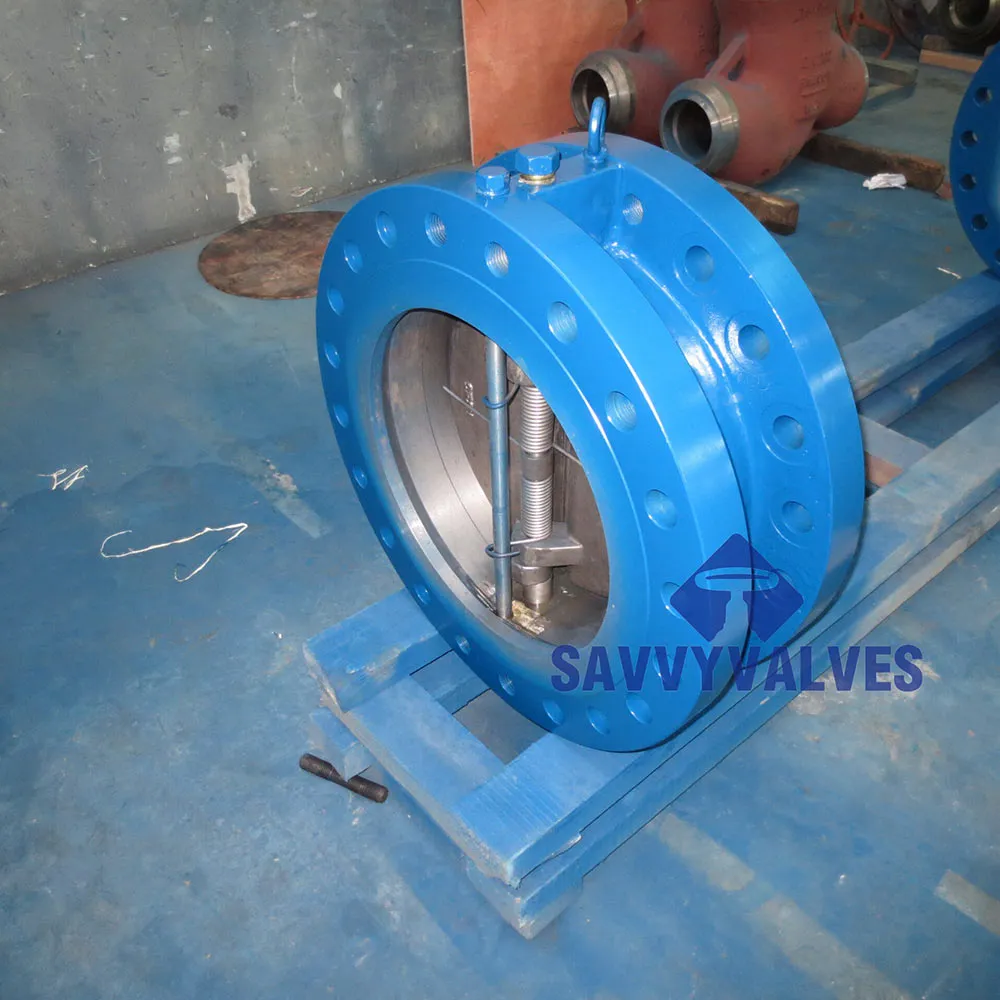 Explore the Benefits of Double Flanged Butterfly Valves2026-04-02 10:44In the realm of industrial fluid control, achieving reliable and efficient operations is essential.


Industry Trends in High-Performance Forged Steel Valves The industrial valve market is undergoing significant transformation, driven by escalating demands for enhanced safety, reliability, and efficiency across critical sectors such as petrochemical, oil and gas, power generation, and chemical processing. A cornerstone of this evolution is the increasing adoption of forged steel valves, renowned for their superior mechanical properties and structural integrity compared to their cast counterparts. Specifically, the PSB Forged Steel Gate Valve represents a pinnacle of engineering excellence, meeting stringent industry specifications and emerging as a preferred choice for severe service conditions. Current trends highlight a shift towards valves capable of operating under increasingly extreme pressures and temperatures, necessitating materials and manufacturing processes that can guarantee long-term performance and minimize downtime. Digitalization and smart valve technologies are also gaining traction, though the foundational requirement remains a robust mechanical design. The market is also seeing increased emphasis on compliance with international standards (e.g., API 602, ASME B16.34) and specialized material certifications, reflecting a global push for standardized safety and quality benchmarks. Environmental regulations further propel the demand for valves with superior sealing capabilities and minimal fugitive emissions. Technical Specifications of the PSB Forged Steel Gate Valve The PSB Forged Steel Gate Valve is engineered for uncompromising performance in demanding industrial environments. Its design adheres strictly to international standards, ensuring interoperability and reliability across global installations. Key technical parameters define its robust capability. Parameter Specification Standard Compliance Design & Manufacturing API 602, ASME B16.34 API, ASME Face-to-Face Dimension ASME B16.10 ASME Flange Connection ASME B16.5 ASME Butt Welding End ASME B16.25 ASME Inspection & Test API 598 API Pressure Rating Class 150 to Class 2500 (PN10 to PN420) ASME B16.34 Size Range NPS ½" to 4" (DN15 to DN100) Industry Standard Body Material Options A105, F11, F22, F5, F9, F91, F304, F316, F304L, F316L, LF2 ASTM Operating Temperature -29°C to 593°C (Dependent on material) ASME B16.34 End Connections Threaded (NPT), Socket Weld (SW), Flanged (RF, RTJ), Butt Weld (BW) ASME B1.20.1, B16.11, B16.5, B16.25 These specifications underscore the versatility and robust engineering behind the PSB Forged Steel Gate Valve , making it suitable for a wide array of demanding fluid control applications. The use of forged steel ensures a finer grain structure, leading to superior strength, ductility, and resistance to thermal shock and fatigue compared to cast alternatives. Figure 1: Cross-sectional view highlighting robust design features. Manufacturing Process of the PSB Forged Steel Gate Valve The manufacturing of the PSB Forged Steel Gate Valve is a meticulous process, combining advanced metallurgy with precision engineering. It begins with the selection of premium materials and progresses through a series of rigorously controlled steps, each contributing to the valve's exceptional service life and performance under extreme conditions. Adherence to standards like ISO 9001 for quality management and specific material standards (e.g., ASTM A105 for forged carbon steel) is paramount throughout. 1. Material Selection & Inspection High-grade steel billets (e.g., A105, F11, F316) are selected based on application requirements. Each batch undergoes stringent chemical composition analysis and mechanical property testing to ensure compliance with ASTM and ASME material specifications. This critical first step ensures the foundational integrity of the valve components. 2. Forging Steel billets are heated to specific temperatures and then subjected to intense compressive forces in hydraulic presses or hammers. This forging process refines the grain structure, eliminates porosity, and creates a more homogeneous and ductile material with superior resistance to fatigue and impact. This is a critical differentiation from casting, as it significantly enhances the valve's pressure containment capabilities. 3. Heat Treatment Post-forging, components undergo precisely controlled heat treatment processes (e.g., normalizing, quenching and tempering). This optimizes the mechanical properties, stress relieves the material, and further enhances hardness, toughness, and corrosion resistance, ensuring the valve's readiness for challenging operational temperatures and media. 4. CNC Machining Advanced CNC (Computer Numerical Control) machining centers are used to achieve extremely tight tolerances and precise surface finishes for critical components like the body, bonnet, wedge, and stem. This ensures perfect fit, smooth operation, and optimal sealing, directly impacting the valve's service life and leak integrity. Machining includes precise threading, seating surfaces, and flange dimensions. 5. Assembly Skilled technicians assemble the machined components in a clean environment. This stage involves the careful integration of the stem, wedge, packing, gasket, and handwheel. Each step is performed according to strict assembly procedures to maintain product integrity and functionality. 6. Testing & Quality Control Every PSB Forged Steel Gate Valve undergoes rigorous testing in accordance with API 598. This includes hydrostatic shell testing, low-pressure air seat testing, and high-pressure liquid seat testing. Critical checks for fugitive emissions, stem packing integrity, and overall operational functionality are performed. Non-destructive testing (NDT) like radiography or ultrasonic inspection may be employed for critical service valves, ensuring zero defects and guaranteeing a minimum service life exceeding industry averages, typically 15-25 years depending on application severity. 7. Coating & Packaging Finally, valves are coated with corrosion-resistant finishes, properly lubricated, and carefully packaged to prevent damage during transit and storage. Comprehensive documentation, including material test reports and certification, accompanies each valve. Application Scenarios for the PSB Forged Steel Gate Valve The robust design and superior material properties of the PSB Forged Steel Gate Valve make it indispensable across a spectrum of critical industrial applications. Its ability to handle high pressures, high temperatures, and corrosive media with exceptional reliability is key to its widespread adoption. Target Industries: Petrochemical and Oil & Gas: Forged steel gate valves are extensively used in upstream, midstream, and downstream operations. This includes wellhead control, pipeline isolation, refinery units, and chemical processing plants where media like crude oil, natural gas, corrosive acids, and high-temperature hydrocarbons are handled. Their ability to withstand high pressures (e.g., up to Class 2500) and temperatures (up to 593°C with appropriate materials like F22 or F91) is critical. Power Generation: In both conventional thermal power plants and nuclear facilities, these valves are vital for steam lines, feedwater systems, and condensate return lines. Their integrity under thermal cycling and high-pressure steam environments contributes significantly to plant safety and operational efficiency, reducing unscheduled shutdowns. Chemical Processing: Handling a diverse range of aggressive chemicals, the valve's material versatility (e.g., F316/F316L for corrosive acids) and tight shut-off capabilities prevent costly leaks and ensure process containment. Metallurgy and Mining: Used in process lines involving abrasive slurries, high-temperature molten metals, or corrosive reagents, where durability and resistance to wear are paramount. Water Supply & Drainage (Industrial Scale): While less common than for high-pressure applications, specialized forged valves can be used in critical industrial water treatment facilities requiring extreme reliability for isolation duties. Advantages in Typical Scenarios: Energy Saving: In fully open positions, gate valves offer minimal resistance to flow, resulting in low pressure drop. This translates to reduced pumping energy requirements over the operational lifespan, contributing to overall energy efficiency in piping systems. Corrosion Resistance: With options for materials like F304, F316, and various alloys, these valves provide exceptional resistance to a wide range of corrosive agents. This extends valve life and reduces maintenance, particularly in chemical and offshore applications. High Temperature & Pressure Resilience: Forged construction inherently handles higher stress concentrations and extreme conditions better than cast equivalents. This is crucial in steam systems, high-pressure hydrocarbon transport, and reactor applications. Superior Sealing: Precision machining of the wedge and seat ensures a tight, reliable shut-off, minimizing leakage and improving process control. This is vital for safety and environmental compliance, particularly in systems handling hazardous or valuable fluids. Reduced Fugitive Emissions: Advanced packing designs and bonnet constructions (e.g., bolted bonnet, welded bonnet, pressure seal bonnet) are available to significantly reduce emissions, complying with strict environmental regulations like ISO 15848-1. Figure 2: PSB Forged Steel Gate Valve in a high-pressure piping manifold. Technical Advantages of the PSB Forged Steel Gate Valve The inherent advantages of the PSB Forged Steel Gate Valve stem from its manufacturing methodology and design philosophy, setting it apart from cast steel alternatives and generic valve solutions. These advantages translate directly into enhanced operational reliability, extended service life, and reduced total cost of ownership (TCO) for industrial operators. Superior Material Grain Structure: The forging process eliminates internal defects such as porosity, shrinkage, and gas pockets common in castings. This results in a denser, more uniform grain structure, significantly increasing the material's tensile strength, yield strength, and impact resistance. Data shows forged components typically exhibit 20-30% higher strength and fatigue life than comparable cast components. Enhanced Pressure and Temperature Integrity: Due to the refined microstructure and absence of internal flaws, forged steel bodies are inherently more capable of withstanding extreme internal pressures and thermal cycling without risk of catastrophic failure. This is critical for high-pressure steam, sour gas, or high-temperature hydrocarbon services where safety margins are paramount. Excellent Mechanical Properties: Forged components possess superior ductility and toughness. This means they are less brittle and can absorb more energy before fracturing, offering better resistance to shocks and vibrations often encountered in pipeline systems and process plants. Reduced Leakage Potential: The dense, non-porous nature of forged steel, combined with precision CNC machining, allows for tighter tolerances on sealing surfaces. This minimizes the risk of body leaks and enhances the overall integrity of the valve, particularly important for preventing fugitive emissions and ensuring compliance with environmental standards. Longer Service Life & Lower Maintenance: The robustness derived from forging directly contributes to an extended operational lifespan. Less prone to material fatigue and structural degradation, the PSB Forged Steel Gate Valve requires less frequent maintenance and replacement, leading to substantial cost savings and improved plant uptime. Compliance with Strict Industry Standards: Our valves are designed and manufactured to meet or exceed critical international standards such as API 602, ASME B16.34, and ISO 15848-1 (for fugitive emissions). This ensures global acceptance and reliability for high-stakes projects, backed by certifications from recognized bodies. These technical attributes solidify the position of the PSB Forged Steel Gate Valve as a premium solution for B2B clients who prioritize safety, longevity, and operational efficiency above all else. Vendor Comparison: Why Choose Our PSB Forged Steel Gate Valve In a competitive market, selecting the right vendor for critical industrial valves is paramount. While many suppliers offer forged steel gate valves, discerning buyers evaluate beyond basic specifications. Our PSB Forged Steel Gate Valve stands out due to a blend of superior manufacturing, stringent quality control, and comprehensive support. Below is a comparison highlighting key differentiators. Feature/Criterion Savvy ValveTech (PSB Forged Steel Gate Valve) Generic Competitor A (Typical) Generic Competitor B (Budget) Forging Standard Advanced closed-die forging, 100% material traceability, ASTM certified raw materials. Open-die or less controlled forging, sometimes incomplete material traceability. Basic forging, potential for material inconsistencies. Quality Certifications ISO 9001, API 602, ASME B16.34, PED 2014/68/EU, Fugitive Emission ISO 15848-1 Class BH/CH. Typically ISO 9001, basic API compliance. Limited specialized certifications. Basic ISO certification, self-declaration for API. Testing & Inspection 100% API 598 hydrostatic & pneumatic testing. Optional NDT (RT, UT, MT, PT). Witnessed tests available. Standard API 598. NDT often outsourced or not offered. Basic hydrostatic test only. Limited or no NDT. Precision Machining Advanced 5-axis CNC machining for all critical components, superior surface finish. Standard 3-axis CNC, acceptable but less precise. Manual or older machine tools, inconsistent tolerances. Fugitive Emissions Control Low emission packing systems (e.g., graphite, PTFE blends), extended bonnets, live-loaded packing. ISO 15848-1 certified. Standard packing, generally meets basic environmental regs. Basic packing, higher emission potential. After-Sales Support Dedicated technical support, 24/7 emergency services, comprehensive warranty, spare parts availability. Standard support during business hours, limited emergency response. Basic warranty, minimal technical support. Typical Service Life 15-25+ years in specified conditions. 10-15 years. 5-10 years. This comparison demonstrates that while initial acquisition cost might vary, the long-term value, reliability, and safety provided by our PSB Forged Steel Gate Valve far outweigh potential short-term savings from less robust alternatives. Our commitment to quality extends through every stage, from material sourcing to post-installation support. Customized Solutions for the PSB Forged Steel Gate Valve Recognizing that every industrial application presents unique challenges, we offer extensive customization options for the PSB Forged Steel Gate Valve . Our engineering team collaborates closely with clients to tailor valve specifications, ensuring optimal performance, compatibility, and compliance with specific project requirements. Material Upgrades: Beyond standard carbon and stainless steel, we provide options for exotic alloys (e.g., Monel, Hastelloy, Duplex) for highly corrosive or extreme temperature services, extending valve life and integrity in specialized applications. Special End Connections: While standard connections include Threaded (NPT), Socket Weld (SW), Flanged (RF, RTJ), and Butt Weld (BW), we can accommodate non-standard or bespoke connection types to integrate seamlessly into existing piping infrastructure. Actuation Options: Manual operation with handwheels is standard, but we offer a full range of actuation options, including pneumatic, hydraulic, and electric actuators, along with sophisticated control accessories (limit switches, positioners) for automated process control. Bonnet & Stem Variations: Extended bonnets for cryogenic or high-temperature services, bellow seal bonnets for zero fugitive emissions, and specialized stem packing arrangements are available to meet specific operational demands and environmental regulations. Trim Material Customization: The internal components (wedge, seats, stem) can be optimized with various hard-facing materials (e.g., Stellite, Tungsten Carbide overlays) for enhanced wear resistance in abrasive or high-velocity flow conditions. Coating & Painting: Specialized internal and external coatings can be applied for enhanced corrosion resistance, fire protection, or aesthetic requirements, conforming to NACE standards where applicable. Compliance with Project-Specific Standards: We have extensive experience in meeting project-specific documentation, testing, and certification requirements, including NORSOK, SHELL MESC, and other client-specific standards, providing complete traceability and verification. Figure 3: Custom configurations for forged steel gate valves. Application Case Studies: PSB Forged Steel Gate Valve in Action Our commitment to delivering reliable, high-performance valve solutions is best demonstrated through real-world applications. These case studies exemplify how the PSB Forged Steel Gate Valve consistently meets and exceeds client expectations in challenging environments. Case Study 1: High-Pressure Steam Isolation in a Thermal Power Plant Client: Major Power Generation Utility, Southeast Asia Challenge: The client faced recurrent leakage and premature failure of existing cast gate valves in their boiler feedwater and main steam lines, operating at 180 bar and 540°C. This led to significant downtime and safety concerns. Solution: We supplied DN50 Class 2500 PSB Forged Steel Gate Valves with F22 body material and Stellite 6 hard-faced trim, featuring a pressure seal bonnet for enhanced integrity. These valves were specifically chosen for their superior thermal fatigue resistance and robust sealing under differential pressure. Outcome: Over 5 years of continuous operation, the installed PSB valves have demonstrated zero instances of through-body leakage and maintained excellent seat tightness, significantly reducing maintenance costs by 30% and eliminating unplanned shutdowns related to valve failure. A plant engineer commented, "The forged steel gate valves have delivered exceptional reliability, improving our plant's overall availability and reducing our operational risk profile." Case Study 2: Corrosive Acid Isolation in a Chemical Processing Facility Client: Specialty Chemicals Manufacturer, Europe Challenge: The existing valves in a sulfuric acid production line suffered from severe internal corrosion and frequent stem packing leaks, leading to environmental concerns and material losses. The application involved 98% H2SO4 at moderate pressures and temperatures. Solution: We provided DN25 Class 800 PSB Forged Steel Gate Valves manufactured from Forged F316L stainless steel, equipped with a PTFE chevron packing system for superior chemical resistance and low fugitive emissions. The valves featured a bolted bonnet design with robust gasket sealing. Outcome: The PSB valves have been in service for 3 years without any detectable external leakage or internal corrosion issues. The client reported a 95% reduction in fugitive emissions from the valve assembly point, leading to improved worker safety and environmental compliance. Customer feedback highlighted the exceptional build quality and consistent performance even with aggressive media. Trustworthiness and Support Frequently Asked Questions (FAQ) Q: What makes forged steel superior to cast steel for gate valves? A: Forged steel undergoes a process that refines its grain structure, eliminating porosity and internal defects common in castings. This results in superior mechanical properties, including higher tensile strength, impact resistance, and ductility, making forged valves inherently more robust for high-pressure and high-temperature applications. Q: What international standards does the PSB Forged Steel Gate Valve comply with? A: Our PSB Forged Steel Gate Valves are designed and manufactured in strict compliance with leading international standards, including API 602 for compact forged steel gate valves, ASME B16.34 for valves-flanged, threaded, and welding end, and API 598 for valve inspection and testing. We also offer certifications for fugitive emissions (e.g., ISO 15848-1) and pressure equipment directive (PED). Q: Can these valves be used in cryogenic service? A: Yes, with specific material selections (e.g., ASTM A350 LF2 for low-temperature carbon steel or stainless steels) and an extended bonnet design to protect the packing from extreme cold, PSB Forged Steel Gate Valves can be customized for cryogenic applications down to -196°C. Q: What is the typical lead time for a custom PSB Forged Steel Gate Valve order? A: Lead times vary depending on the complexity of customization, material availability, and order volume. For standard configurations, lead times typically range from 4-8 weeks. Custom orders may require 8-16 weeks. We provide transparent lead time estimates upon quotation and proactively communicate production schedules. Lead Time & Fulfillment Details Our logistics and supply chain are optimized for efficiency and reliability. For standard off-the-shelf configurations, we maintain a strategic inventory to facilitate quick dispatch, typically within 2-3 weeks. For bespoke or high-volume orders, detailed project schedules are provided, encompassing material procurement, manufacturing, testing, and shipping. We work with trusted global freight partners to ensure timely and secure delivery to your specified location. Emergency orders can often be expedited, depending on manufacturing capacity and material availability. Warranty Commitments We stand behind the quality and performance of every PSB Forged Steel Gate Valve. All our valves come with a standard 18-month warranty from the date of shipment or 12 months from installation (whichever comes first), covering defects in material and workmanship. Extended warranty options are available for specific projects and applications, providing clients with enhanced peace of mind. Our warranty policy is designed to ensure customer satisfaction and protect your investment. Customer Support Information Our dedicated customer support team and network of technical experts are available to assist you from inquiry through post-installation. We offer: Technical Consultation: Expert advice on valve selection, material compatibility, and application engineering. Installation & Commissioning Support: Guidance and documentation for proper installation and initial setup. After-Sales Service: Prompt response to any operational issues, troubleshooting, and spare parts supply. Training: On-site or remote training sessions for your operational and maintenance personnel on valve operation and care. We are committed to building long-term partnerships based on trust and exceptional service. Figure 4: After-sales support and engineering team collaboration. References American Petroleum Institute. API Standard 602: Compact Carbon Steel Gate Valves – Flanged, Threaded, Welding, and Extended-Body Ends. 9th ed. Washington, D.C.: API Publishing, 2021. American Society of Mechanical Engineers. ASME B16.34: Valves—Flanged, Threaded, and Welding End. New York: ASME, 2020. ASTM International. ASTM A105/A105M: Standard Specification for Forgings, Carbon Steel, for Piping Components. West Conshohocken, PA: ASTM International, 2019. International Organization for Standardization. ISO 15848-1: Industrial valves — Measurement, test and qualification procedures for fugitive emissions — Part 1: Classification system and qualification procedures for type testing of valves. Geneva: ISO, 2015. Research and Markets. Global Industrial Valves Market: Growth, Trends, COVID-19 Impact, and Forecasts (2021-2026). Dublin: Research and Markets, 2021.